

Table of Contents
Early Life and Education
Rahul Gandhi was born on June 19, 1970, into the Nehru-Gandhi family. This dynasty has played a pivotal role in shaping India’s political landscape. His upbringing brought privilege, but also a deep sense of responsibility. His parents, former Prime Minister Rajiv Gandhi and Sonia Gandhi, instilled this in him. Rahul attended some of the finest institutions in India and abroad, including Harvard University and the University of Cambridge. These experiences broadened his horizons and gave him a nuanced understanding of global affairs.

Entry into Politics
Despite initially showing reluctance towards a political career, Rahul Gandhi eventually answered the call of duty. He entered formal politics in 2004 when he contested and won the parliamentary elections from Amethi. The Gandhi family had held this constituency as a stronghold for decades. Since then, Rahul has actively participated in Indian politics, with occasional breaks to focus on party restructuring and grassroots mobilization.
Leadership Style and Development
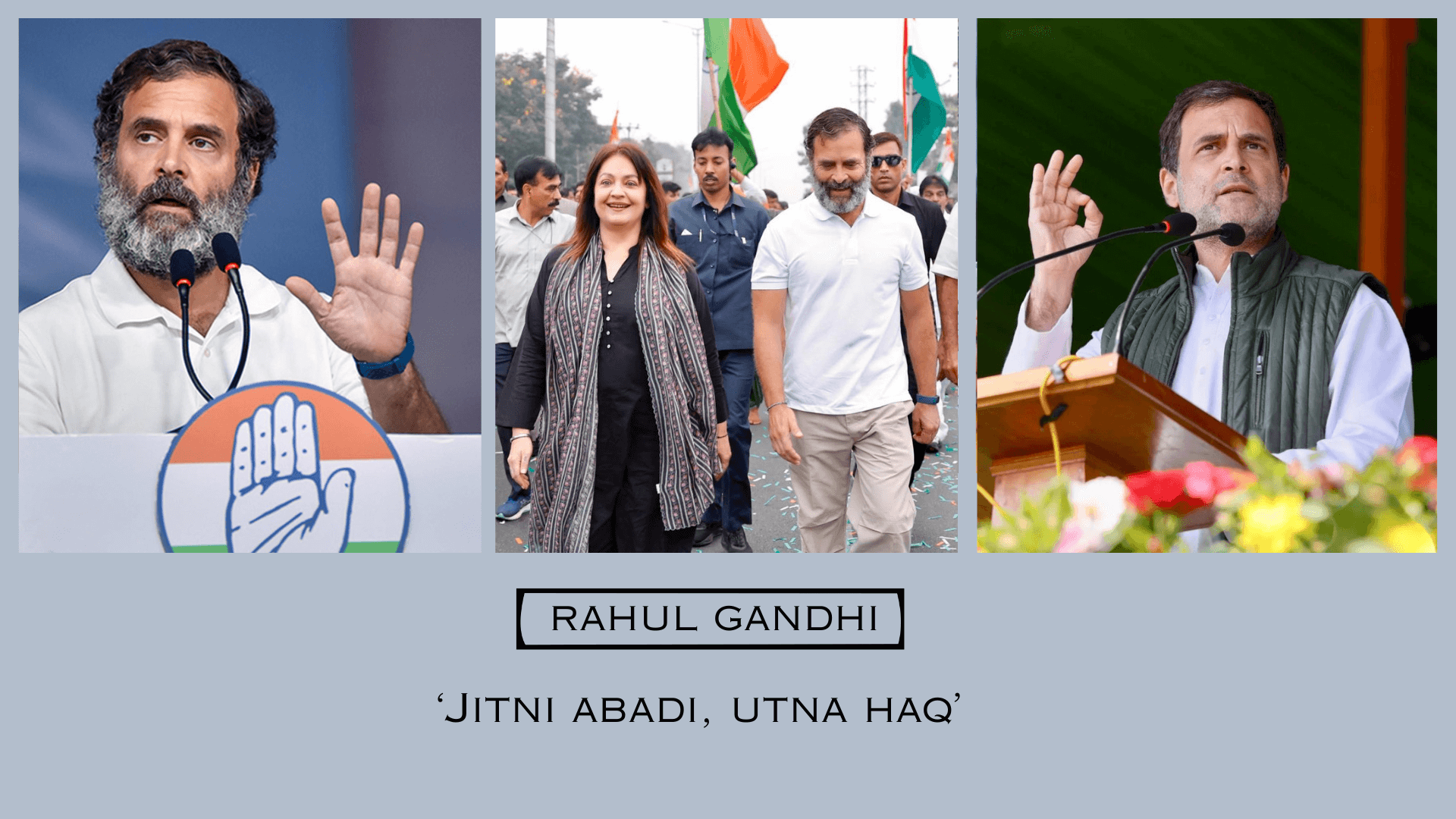
Rahul Gandhi’s leadership style stands out for its accessibility and inclusivity. Unlike some politicians who prefer distance from the masses, Rahul always engages directly with people from all walks of life. His interactions with farmers, students, and women’s groups have earned him praise for his empathy and genuine concern. Over the years, he has evolved as a leader, learning from both successes and failures, and adapting his approach accordingly.

Read this blog also
Sonia Gandhi
Advocacy for Social Justice
A fervent commitment to social justice lies at the heart of Rahul Gandhi’s political ideology. He firmly believes that economic growth alone cannot measure a nation’s progress. The welfare of its most vulnerable citizens must also count. Rahul has vocally advocated for policies that reduce poverty, bridge the rural-urban divide, and empower marginalized communities. His emphasis on inclusive development has resonated with millions of Indians who have long felt ignored by the political establishment.
Challenges and Criticisms
Despite his best efforts, Rahul Gandhi has not escaped criticism. His detractors often cite his privileged background as evidence of his disconnect from ordinary Indians. Moreover, his occasional gaffes and perceived lack of assertiveness have raised questions about his suitability for higher office. However, Rahul has taken these criticisms in stride, acknowledging his shortcomings while remaining steadfast in his commitment to serving the people.

Impact on Indian Politics
Rahul Gandhi has made a significant impact on Indian politics. While his detractors may question his leadership credentials, few can deny the enthusiasm he generates among his supporters. His ability to mobilize young voters has shaped electoral outcomes in several states. Moreover, his emphasis on healthcare, education, and job creation has pushed other political parties to recalibrate their own agendas.
The Road Ahead
As Rahul Gandhi continues his political journey, he faces both challenges and opportunities ahead. With each passing day, the expectations placed upon him continue to grow. Yet, amidst political rhetoric and relentless media scrutiny, Rahul stays focused on his ultimate goal: to build a more equitable and inclusive India.

Conclusion
In conclusion, Rahul Gandhi’s journey in politics reflects the enduring power of hope and perseverance. His critics may question his methods and motivations. However, no one can deny the sincerity of his efforts to bring about positive change. Whether he ultimately achieves his vision for India remains to be seen. One thing is certain: Rahul Gandhi has inspired a generation to believe that politics can be a force for good.
FAQs (Frequently Asked Questions)
Is Rahul Gandhi solely reliant on his family’s legacy for political success?
While Rahul Gandhi’s family background certainly opens doors for him, his own efforts and vision largely drive his continued relevance in Indian politics.
How does Rahul Gandhi differentiate himself from other politicians in India?
Rahul Gandhi’s emphasis on grassroots engagement and his commitment to social justice set him apart. Many other politicians often appear out of touch with common people.
What are some of the major policy initiatives championed by Rahul Gandhi?
Rahul Gandhi has strongly advocated for policies aimed at poverty alleviation, rural development, and empowerment of marginalized communities.
What role does Rahul Gandhi play within the Indian National Congress (INC)?
Rahul Gandhi holds various leadership positions within the INC. The party regards him as a key decision-maker in its strategy and direction.
How does Rahul Gandhi’s leadership style resonate with the Indian electorate?
Rahul Gandhi’s accessible and empathetic leadership style has endeared him to many voters, particularly young people and those from marginalized communities.