

Table of Contents
workouts for lower abs Introduction:
In the realm of fitness, sculpting the lower abdominal region requires precision and dedication. This brief guide introduces you to effective workouts specifically designed to tone and strengthen your lower abs. Dive into targeted exercises that not only enhance your physique but also contribute to overall core stability. Let’s embark on this journey together to unlock the secrets of lower ab workouts for a more defined and resilient core.
Home Workouts for Lower Abs
Leg Raises
Lie on your back, hands under your hips, and lift your legs towards the ceiling. Take them down so they don’t touch the ground. This exercise targets the lower abdominal muscles, helping to sculpt and define them.
Reverse Crunches
Lie on your back, bend your knees at a 90-degree angle, and lift them towards your chest. This movement engages the lower abs, providing an excellent workout to this specific area.
Bicycle Crunches
Incorporate bicycle crunches into your routine by lying on your back, lifting your legs, and bringing your opposite elbow to the opposite knee. This exercise not only targets the lower abs but also engages the obliques for a comprehensive core workout.
Planks
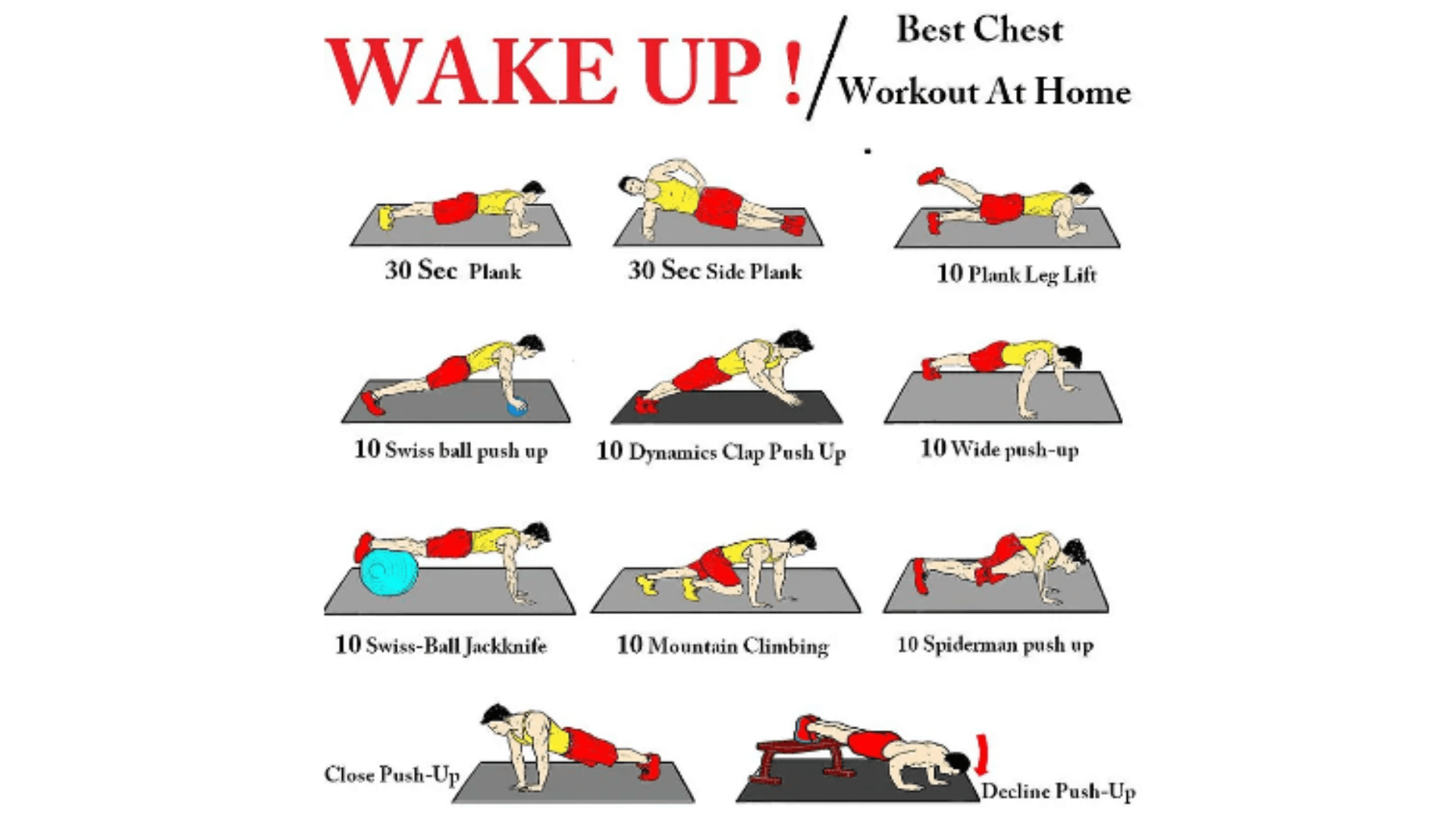
Maintain a plank position with your elbows on the ground and your body in a straight line. This is a full-core workout, emphasizing the lower abs and helping to build overall core strength.
Mountain Climbers
Begin in a board position and get your knees towards your chest a running movement. This dynamic exercise not only elevates your heart rate but also engages the lower abs effectively.
Flutter Kicks
Lie on your back, legs straight, and lift them somewhat off the ground. Make small, rapid kicks with your legs, focusing on engaging the lower abdominal muscles throughout the movement.

Gym Workouts for Sculpted Abs
Core-Centric Exercises
Begin your journey with core-centric workouts that target every aspect of your abdominal muscles. Incorporate exercises like crunches, leg raises, and bicycle crunches to engage the upper and lower abs effectively.
Planks for Stability
Planks are an indispensable component of any ab sculpting routine. Whether it’s a traditional plank, side plank, or plank variations, these exercises build core strength, stability, and endurance.
High-Intensity Interval Training (HIIT)
Integrate HIIT workouts into your routine to burn fat and reveal the sculpted abs beneath. HIIT combines intense bursts of exercise with short recovery periods, making it an effective method for overall fat loss, including around the abdominal area.
Resistance Training for Definition
Incorporate resistance training into your workouts to add definition to your abs. Exercises like cable crunches, Russian twists with a medicine ball, and weighted leg raises challenge your muscles, promoting growth and definition.
Consistent Cardio
Cardiovascular exercises play a crucial role in shedding excess body fat, revealing the sculpted abs underneath. Incorporate activities such as running, cycling, or rowing into your routine to boost overall fat-burning.
Mindful Nutrition
Remember, sculpting abs is not only about exercise but also about maintaining a healthy diet. Focus on consuming lean proteins, healthy fats, and complex carbohydrates to support muscle development and reduce body fat.
Adequate Rest and Recovery
Ensure your body gets the rest it needs. Muscles grow and develop during periods of rest, so make sure you allow ample time for recovery between intense ab workouts.
Consistency is Key
Building sculpted abs is a gradual process that requires consistency. Stick to your workout routine, stay committed to a healthy lifestyle, and celebrate the small victories along the way.

Balancing Hamstring Workouts
Balancing hamstring workouts is crucial for overall lower body strength and injury prevention. Incorporating a well-rounded approach to training your hamstrings not only enhances muscle development but also promotes functional strength and flexibility. Here are some tips and insights to help you achieve a balanced hamstring workout routine
Variety is Key
Ensure diversity in your hamstring exercises. Incorporate both isolation exercises like hamstring curls and compound movements like deadlifts. This variety targets different aspects of the muscle group for comprehensive development.
Include Compound Movements
Compound exercises such as deadlifts and squats engage multiple muscle groups, including the hamstrings. These movements not only build strength but also promote functional fitness by mimicking real-world activities.
Don’t Neglect Eccentric Movements
Focus on the eccentric (lengthening) phase of exercises. Controlling the descent during movements like Romanian deadlifts helps activate the hamstrings effectively and contributes to muscle growth.
Balance with Quadriceps Training
Maintain a balance between hamstring and quadriceps training. An imbalance between these opposing muscle groups can lead to issues such as muscle strains or imprecise movement patterns. Exercises like lunges can help achieve this equilibrium.
Incorporate Stability Exercises
Strengthen the stabilizing muscles around the hamstrings. Exercises like stability ball hamstring curls or single-leg Romanian deadlifts enhance not only hamstring strength but also improve balance and coordination.
Warm-Up Adequately
Prioritize a proper warm-up routine before diving into hamstring workouts. Warm muscles are more flexible and less inclined to injury. Include dynamic stretches and movements to prepare your hamstrings for the upcoming workload.
Mindful Stretching
Include dynamic and static stretching in your post-workout routine. Lengthening the hamstrings through stretches like seated forward bends can aid in recovery and flexibility.
Listen to Your Body
Pay attention to signals from your body. If you feel persistent tightness or discomfort, it’s essential to address it. Modify your exercises, consider adding more recovery days, or consult with a fitness professional for personalized guidance.
Progressive Overload
Gradually increase the intensity and resistance of your hamstring workouts. Progressive overload is crucial for muscle development and strength gains over time.
Rest and Recovery
Adequate rest is vital for muscle recovery. Allow your hamstrings the time they need to repair and grow stronger. This includes getting sufficient sleep and incorporating rest days into your training schedule.
Remember, a balanced approach to hamstring workouts not only improves athletic performance but also reduces the risk of injuries. Tailor your routine to your fitness level, and consult with a fitness professional if needed to ensure you are on the right track.

Effective Workouts for Weight Loss
High-Intensity Interval Training (HIIT)
HIIT workouts involve short bursts of intense exercises followed by periods of rest or lower-intensity activity. This approach helps in burning more calories in a shorter time, elevating your metabolism and promoting fat loss. Instances of HIIT practices incorporate running, hopping jacks, and burpees.
Cardiovascular Exercises
Classic cardio workouts like running, cycling, swimming, and brisk walking are excellent for burning calories. Engaging in sustained cardiovascular activities not only aids in weight loss but also enhances heart health. Aim for at least 150 minutes of moderate-intensity cardio per week for optimal results.
Strength Training
Building muscle through strength training is crucial for weight loss. Muscles consume a greater number of calories very still than fat, adding to a higher basal metabolic rate. Incorporate weightlifting, bodyweight exercises, or resistance training into your routine to increase lean muscle mass and accelerate fat loss.
Core Workouts
Targeting your core muscles not only strengthens your midsection but also aids in overall weight loss. Core exercises like planks, crunches, and leg raises engage multiple muscle groups, promoting stability and balance. A strong core enhances your ability to perform other exercises with proper form.
Group Classes
Joining group workout classes, such as spinning, Zumba, or aerobics, adds an element of fun and motivation to your fitness routine. The camaraderie and guidance from instructors can keep you engaged and committed, making it more likely for you to stick to your weight loss goals.
Flexibility Training
Incorporating activities like yoga or Pilates can improve flexibility and balance while contributing to weight loss. These workouts focus on body awareness, mindfulness, and controlled movements, complementing more intense exercise routines.
Conclusion
Incorporating targeted lower ab workouts into your fitness routine, along with overall weight loss strategies, is a powerful combination for achieving a toned midsection. Remember to maintain a balanced diet, stay hydrated, and pair these exercises with cardiovascular activities to maximize your results on the journey to gaining the weight loss you desire.